


As global healthcare demands accelerate in the face of ageing populations, chronic disease burdens and digital transformation, the medical device industry is poised for an era of growth and innovation.
Nowhere is this more evident than in Asia, a region that is both a key manufacturing base and a major consumer market.
Malaysia, in particular, is emerging as a promising hub for medical device development, underpinned by strategic policies, infrastructure and talent.
Over the next decade, Asia is expected to be at the forefront of this industry’s transformation, driven by shifting demographics, technological innovation and supportive governmental frameworks.
National and regional hubs
The global medical device industry – encompassing everything from simple syringes and rubber gloves to advanced diagnostic imaging systems and wearable health monitors – was valued at US$810bil (about RM3.5 trillion) in 2024.
Fuelled by rising health consciousness, increased healthcare spending and rapid technological advancement, the sector is undergoing significant transformation.
In the wake of the Covid-19 pandemic, governments, health systems and private investors have ramped up spending on diagnostic tools, telemedicine infrastructure and home-based care equipment.
Simultaneously, the integration of artificial intelligence (AI), Internet of Things (IoT) and robotics is reimagining how devices are developed, deployed, and maintained.
Asia is no longer just a manufacturing base for Western medical device companies; it is becoming a centre of innovation, regulatory reform and domestic market expansion.
China and India, for instance, have both launched national initiatives to boost local production of medical technology, reduce import dependence and foster innovation.
China’s “Made in China 2025” policy includes high-end medical devices, while India’s Production Linked Incentive (PLI) scheme for medical devices offers financial incentives for domestic manufacturing.
Asean nations, particularly Malaysia, are positioning themselves as strategic hubs for production, research and development (R&D), and regulatory harmonisation, leveraging a skilled workforce, favourable geography and improving infrastructure.
Malaysia’s advantages
Malaysia stands out within Asean as a particularly promising player in the medical device industry.
The country is already home to over 200 medical device manufacturers, including major global players such as Abbott, B. Braun and Boston Scientific.
In 2024, Malaysia’s medical device exports reached RM37bil, making it one of the leading exporters in the region.
The government has adopted a proactive approach in nurturing the industry.
It is one of the key sectors in the New Industrial Master Plan 2030, which aims to transform Malaysia into a high-value, innovation-driven medical device hub.
Key goals include enhancing local R&D capabilities, streamlining regulatory pathways and strengthening international partnerships.
The Medical Device Authority (MDA) plays a central role in regulating and facilitating the growth of the sector.
Its efforts to align local regulations with global standards have boosted investor confidence and export potential.
Malaysia also offers an integrated ecosystem that supports the full value chain of the medical device industry – from component manufacturing to final assembly and packaging.
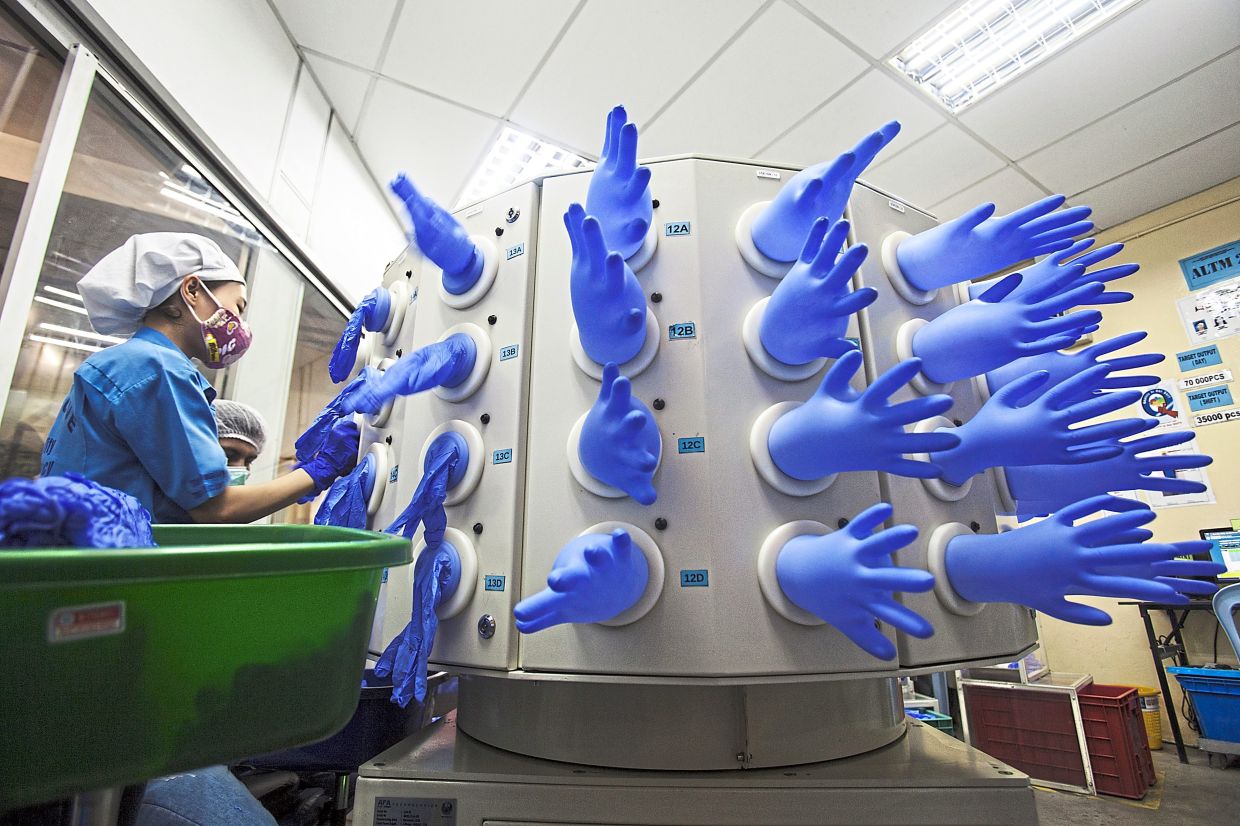
The country’s experience in high-precision electronics and rubber-based manufacturing (especially gloves and catheters) provides a solid foundation for more complex device production.
In Penang, a cluster of electronics and medical technology companies are driving innovation and cross-sector collaboration.
The state’s infrastructure and talent pool have attracted increasing foreign direct investment, particularly in diagnostic and imaging equipment.

Areas of growth
As the global and regional landscape evolves, several areas are likely to define the future of the medical device industry in Asia:
> Digital health and AI-driven devices
The integration of digital technologies – including AI, machine learning and cloud computing – is transforming diagnostic and monitoring tools.
Smart wearables, remote patient monitoring systems and AI-assisted imaging are expected to dominate the next wave of innovation.
Malaysia has signalled support for digital health, with strategies to improve telemedicine, mobile health services and digital diagnostics creating pathways for medical device integration.
> Home and community-based healthcare devices
The shift from hospital-centric to patient-centric care models is creating demand for portable, user-friendly devices for home use, especially in managing chronic diseases like diabetes, hypertension (high blood pressure) and cardiovascular (heart) conditions.
This will only increase as our population ages and the need for primary, preventive care becomes all the more essential.
> Sustainable and green medical devices
Environmental concerns are pushing manufacturers to consider the life cycle of medical devices.
Recyclable materials, energy-efficient production methods and biodegradable packaging are becoming key factors, especially in export markets with stringent ESG (environmental, social and governance) expectations.
Malaysia’s National Investment Aspirations encourages sustainable practices in all manufacturing sectors, including medical technology, as part of the country’s ambition to become a regional ESG leader.
Current challenges
Despite the promise, the region – including Malaysia – faces several hurdles that must be addressed in order to realise its full potential.
These include:
- Regulatory complexity
While progress has been made, inconsistent regulations across Asean countries can complicate market entry and delay product approvals.
The MDA is working hard with its sister entities to help standardise these.
- Intellectual property (IP) protection
Stronger IP frameworks are needed to attract advanced R&D investment and protect local innovation.
- Talent retention
Despite having a skilled workforce, brain drain and talent shortages in specialised medical technology fields can hinder progress.
- Financing for startups
Access to early-stage capital remains limited, particularly for indigenous medical device startups.
However, this is beginning to change with the rise of regional venture capital interest in health technology.
Malaysia and its regional peers are at a critical juncture, especially as we navigate the challenges of inconsistent American trade policies.
With the right mix of policy support, international collaboration and continued investment in human capital and infrastructure, South-East Asia can transform from a production base to an innovation leader in medical devices.
For Malaysia, the decade ahead holds the promise of becoming not just a regional hub, but also a global player in shaping the future of healthcare technologies.
Success will depend on our ability to harness existing strengths while addressing systemic challenges – and in doing so, write a new chapter in the story of Asia’s ascent in the medical technology world.
Dr Helmy Haja Mydin is a consultant respiratory physician and an MDA board member. For further information, email starhealth@ thestar.com.my. The information provided is for educational and communication purposes only. The Star does not give any warranty on accuracy, completeness, functionality, usefulness or other assurances as to the content appearing in this column. The Star disclaims all responsibility for any losses, damage to property or personal injury suffered directly or indirectly from reliance on such information.
link