

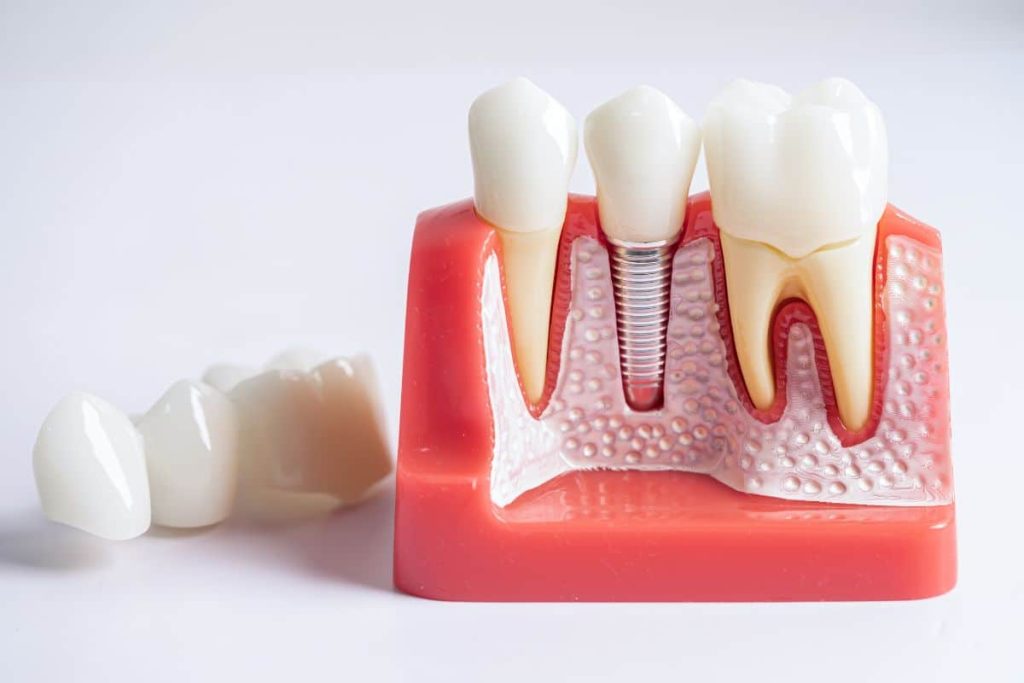

Considering dental implant surgery is a significant decision, representing a permanent, durable solution for missing teeth. For many people, choosing the right specialist in London is the first step toward restoring confidence and function. Implants offer a superior alternative to traditional dentures or bridges, providing stability and mimicking the natural look and feel of a real tooth. Understanding the critical preparation steps and realistic expectations is essential for a successful outcome. This guide, informed by the expertise of London-based specialists, breaks down the five most crucial elements prospective patients must grasp before committing to treatment.
The Comprehensive Pre-Surgical Assessment and Planning
The success of dental implants in London is heavily reliant on meticulous planning, a phase that often takes longer than the surgery itself. A specialist will begin with a thorough evaluation, using advanced diagnostic tools such as 3D Cone Beam Computed Tomography (CBCT) scans. This technology provides a detailed, three-dimensional view of the jawbone, nerves, and soft tissues, allowing the specialist to map the precise location for implant placement. Assessing bone density and volume is paramount, as the implant post must be firmly anchored in healthy bone. If the jawbone is insufficient—perhaps due to long-term tooth loss or periodontal disease—preparatory procedures like bone grafting or a sinus lift may be necessary. This planning stage dictates the entire treatment protocol, ensuring the implant integrates seamlessly and functions correctly for decades.
A critical factor in long-term implant success is the quality of the surrounding gum and bone. Dr. Sahil Patel of MaryleboneSmileClinic notes that “patients should understand that the bone must be strong enough to hold the implant, which is why a thorough examination, including 3D scanning, is non-negotiable. If you have questions about bone grafting or the various implant techniques, we strongly encourage you to visit this site for detailed patient guides and to view before-and-after cases that illustrate the meticulous planning involved.”
Many people seek implants not just for function, but also for aesthetic improvement, often consulting a cosmetic dentist London to achieve a flawless, natural-looking result. A well-planned implant placement is crucial for the final restoration to align perfectly with the surrounding natural teeth, ensuring symmetry and an appealing smile. During this initial consultation, it is important to discuss not only the surgical aspect but also the final prosthetic appearance, including the shape, size, and colour of the crown that will sit atop the implant. This holistic approach ensures that the functional necessity of tooth replacement is married with the patient’s desire for a beautiful, rejuvenated smile. The specialist will often use digital smile design tools to show patients a preview of their anticipated results, managing expectations effectively.
Understanding the Healing and Osseointegration Process
Dental implant surgery involves placing a titanium post into the jawbone, which then needs time to fuse with the surrounding bone—a process called osseointegration. This biological bonding is what provides the implant with its remarkable stability, making it act like a natural tooth root. This healing phase is not instant; it typically requires three to six months, though this can vary based on individual healing capacity, the quality of the bone, and whether preparatory procedures were performed. During this period, the implant must remain undisturbed. Patients are generally fitted with a temporary crown or restoration that allows them to eat and speak relatively normally while the crucial integration takes place beneath the gum line.
Patience is a necessary virtue throughout this stage. Rushing the process or placing too much load on the implant prematurely can lead to failure. Specialists monitor the healing closely, often using follow-up X-rays to confirm that the osseointegration is progressing successfully before proceeding to the final stage: attaching the permanent abutment and crown. The specialist will provide detailed instructions on post-surgical care, including advice on diet, oral hygiene, and managing any temporary discomfort. Adherence to these guidelines is paramount to prevent infection and ensure a strong, lasting bond between the titanium post and the jawbone.
The Importance of Bone Health and Grafting Considerations
As mentioned, adequate bone volume and density are the bedrock of a successful implant. When a tooth is lost, the section of the jawbone that supported it begins to resorb, or waste away, because it is no longer being stimulated by the tooth root. If a significant amount of time has passed since the tooth loss, the specialist may find insufficient bone to support an implant. This is where bone grafting procedures become essential. Bone grafting involves adding material—which can be sourced from the patient, a donor, or synthetic materials—to the deficient area to stimulate new bone growth.
Understanding the implications of bone grafting is crucial, as it adds both time and cost to the overall treatment plan. If a graft is performed, the healing time for the graft alone can be several months before the implant itself can even be placed. Similarly, for missing teeth in the upper back jaw, a sinus lift may be required to raise the sinus floor and create sufficient vertical bone height. Patients must be prepared for this extended timeline, recognizing that these supplementary surgeries are not obstacles, but necessary foundations that guarantee the long-term structural integrity and success of the final implant restoration.
Commitment to Impeccable Long-Term Maintenance and Hygiene
While a dental implant cannot get a cavity, it is not immune to gum disease. The tissue surrounding the implant, known as the peri-implant tissue, can develop inflammation and infection—a condition called peri-implantitis—if proper hygiene is neglected. This is analogous to periodontal disease around a natural tooth and can eventually lead to bone loss and implant failure if left untreated. Therefore, the commitment to meticulous oral hygiene must be lifelong and more rigorous than routine care.
Patients need to learn specific techniques and use specialised tools to clean around the implant crown and the gum line effectively. This often includes interdental brushes, water flossers, or superfloss designed to navigate the unique contours of the implant restoration. Regular check-ups with the implant specialist or hygienist are also mandatory, typically every three to six months, to monitor the health of the peri-implant tissues and professional cleanings. This sustained dedication to care is the most significant factor in extending the life of the implant, which, with proper maintenance, can last for many decades or even a lifetime. Neglecting this maintenance is the primary cause of late-stage implant failure.
The Realistic Financial and Time Investment
Dental implant surgery is a substantial investment, both in terms of cost and time, and patients must approach it with realistic expectations regarding both. The cost is multifaceted, covering not just the implant post and the final crown, but also the specialist’s fees, the expense of the initial 3D imaging, any necessary bone grafting or preparatory work, and the temporary restoration used during healing. Because of the bespoke nature of the treatment, the final price can vary considerably from case to case. Patients should obtain a detailed, itemised treatment plan that clearly outlines all potential costs upfront.
Similarly, the time commitment extends beyond the day of surgery. As discussed, the entire process, from initial consultation through osseointegration and the final crown placement, can span anywhere from six months to over a year, particularly if grafting is involved. This is not a quick fix, but a measured, phased treatment designed for maximum longevity. Patients seeking a streamlined process, perhaps after a referral from a local cosmetic dentist London, should understand that quality and stability cannot be rushed. The time taken is a reflection of the specialist’s dedication to foundational success, ensuring that the new tooth is a permanent, reliable part of the patient’s oral health and overall well-being.
In summary, successful dental implant treatment is a partnership between a skilled specialist and a well-informed, compliant patient. By understanding the rigorous planning required, respecting the healing time for osseointegration, appreciating the need for sound bone structure, committing to meticulous maintenance, and approaching the investment with patience, patients in London can confidently embark on this journey toward a complete and functional smile.