






Approximately 75% of women who are pregnant experience pain, and 25% of women who
are pregnant experience pain on a level that qualifies as disabling musculoskeletal
pain, meaning they can’t function. This will oftentimes dictate whether or not a woman
chooses to get pregnant again.

Deborah Y. Edwards, PT, DPT
Dr. Deborah Y. Edwards, PT, DPT, ScD, OCS, is a Board-Certified Specialist in Orthopedic
Physical Therapy, is the TTUHSC School of Health Professions Regional Dean in Odessa,
and is an Assistant Program Director for the TTUHSC Doctor of Physical Therapy Program.
She graduated from the TTUHSC Physical Therapy program in 2002. After working in the
clinic for over a decade, she returned to school to earn her terminal degree, a Doctor
of Science in Rehabilitation Sciences. While conducting research during her dissertation
phase, she developed a strong interest in empowering fellow PT professionals to feel
confident and well-prepared to treat the pregnant population for musculoskeletal concerns.
In line with this interest, Dr. Edwards is currently a co-chair for developing new
Clinical Practice Guidelines for treating Lumbopelvic pain during pregnancy in conjunction
with a grant from the Academy of Pelvic Health for the American Physical Therapy Association.
According to Edwards, there are hurdles to optimum musculoskeletal care for expecting
mothers and antepartum lumbopelvic pain: ambiguity over provider roles, lack of consensus
for best practice with this patient population, and fear of harm or liability.
The Complexities of Treating the Prenatal Population
During her time at Tulane Hospital and Clinic in New Orleans, Dr. Edwards treated
a wide range of musculoskeletal conditions—hip pain, low back pain, foot pain, and
more. However, she noticed that when a patient was pregnant, they were often automatically
referred to a pelvic floor or women’s health specialist, regardless of the primary
complaint. This pattern caught her attention.
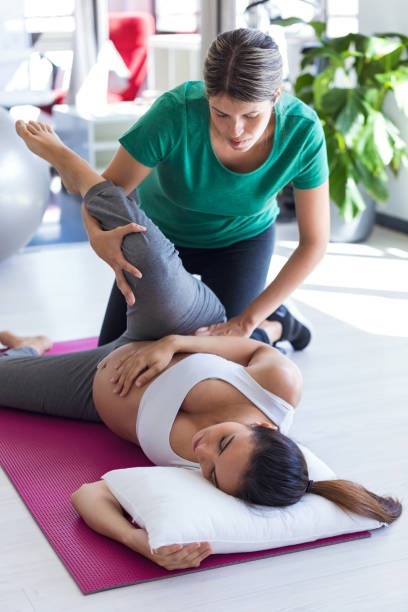
“As I became more familiar with trends for referrals in my community,” she explains,
“I realized that while women’s health specialists are highly trained in pelvic floor
care—addressing concerns like urinary incontinence, coccydynia and perineal pain—all
outpatient orthopedic therapists should feel confident treating common prenatal musculoskeletal
conditions, as the treatments these women need are well within the scope of general
orthopedic practice. We just need to be cognizant of the screening and monitoring
needs of our pregnant population.”
A review of current practice shows that pregnant patients often do not receive the
same treatment options commonly provided to nonpregnant individuals. A primary reason
appears to be clinical caution: many providers learn during their training that pregnancy
is a relative or absolute contraindication for a number of interventions, particularly
aspects of manual therapy and other treatments that address pain, based on concerns
about unknown effects on fetal development. Edwards points out that these premises
have not kept up with current evidence on the safety and efficacy of treatments used
every day in the PT clinic.
Evaluations of current beliefs and practices of physical therapists related to prenatal
care reveal a consistent theme: even when safe and effective treatments exist, some
clinicians may opt to withhold care due to uncertainty or fear of liability. This
cautious approach, though well-intentioned, may contribute to a reliance on pharmacologic
management over physical therapy, despite a growing body of evidence supporting the
safety and efficacy of PT interventions in prenatal care.
The Research
An article in Obstetrics and Gynecology published in 2018 showed that medication use
in pregnancy is ubiquitous, spanning all trimesters; 18% of pregnant women reported
using ibuprofen, and 10% used opioids.
Edwards notes that in many other countries, prenatal pain is more commonly managed
through non-pharmaceutical means, which often have a safer risk profile. For example,
literature demonstrates that spinal manipulative therapy can be a safe and effective
treatment for pelvic and spinal pain during pregnancy, with a more favorable safety
profile than many pharmaceutical options. Additionally, high-quality evidence from
meta-analyses has shown that manipulative therapy, when added to usual care, produces
greater reductions in low back pain and functional disability than usual care alone.
Edwards adds, “An osteopathic study out of Fort Worth in 2016 examined the effect
of spinal manipulation therapy on musculoskeletal pain and reported positive effects,
including a trend toward mild protective outcomes for labor and delivery when administered
during the third trimester.”.
Who should treat pregnant women?
Although it sounds like a simple question, the answer is more complex. An article
in an American Physical Therapy Association magazine suggested that board-certified
Women’s Health Clinical Specialists (WCS) should treat pregnant patients. But looking
at the numbers reveals a significant limitation to this suggestion:
The APTA shows 238,256 licensed PTs in the U.S. The Bureau of Labor Statistics reported that as of May 2023, Texas employs approximately 17,170 physical therapists,
ranking it among the states with the highest employment levels in this profession.
However, as of June 2024, The American Board of Physical Therapy Specialties (ABPTS) has certified only 864 women’s health specialists.
Dr. Edwards emphasizes that this is why we cannot rely solely on specialists within
the physical therapy field to treat our prenatal population. For example, a search
on the ABPTS website reveals that there is not a single WCS within 100 miles of Odessa,
TX. For Edwards, this gap is one of the most pressing concerns in prenatal care.
Edwards advocates for entry-level competency in treating the pregnant population as
a practical solution. “Based on the numbers, advocating for more WCS providers isn’t
a realistic solution—especially in rural regions,” she says.
“Entry-level physiotherapy education worldwide should include basic and clinical science
elements relevant to the assessment and treatment of women’s health conditions. Graduates
of entry-level physiotherapy programs should be competent to independently perform
specific women’s health skills, including the treatment of pregnancy-related musculoskeletal
conditions,” notes Boissonnault et al. Edwards aligns herself with this philosophy,
echoing the views of those she calls “giants in our industry.”
Addressing Fear of Liability
Edwards has reviewed extensive research supporting the safety and benefits of addressing
musculoskeletal pain with physical therapy during pregnancy, and she experienced these
benefits firsthand during her own pregnancy. She wants to encourage PT providers to
empower themselves with the knowledge of how straightforward it can be to safely screen
and monitor this population. She also emphasizes the importance of staying up to date
with evolving evidence, which now supports many physical therapy interventions once
thought to be contraindicated during pregnancy. “As clinical understanding improves,
we are increasingly recognizing these treatments as both safe and effective when appropriately
applied.”
“Intentionally avoiding treatments which are now shown to be safe and effective out
of fear of litigation reflects a form of negative defensive medicine,” she says. “The
more we understand how to treat pregnant women safely—with appropriate screenings,
education, and support—the more we realize the benefits far outweigh the risks.”
link
More Stories
Health Ministry Advises Psychological Consultations for Women Without Pregnancy Plans
Anxiety in Pregnancy and Brief Therapy
Grant funds research on prenatal massage for maternal mental health