



A recent study from Columbia University Mailman School of Public Health revealed that nearly half of the U.S. is on the brink of a caregiving emergency.
The report underlined that “states must advocate for funding to support programs that provide financial assistance, training, and respite care for unpaid family caregivers to meet the growing demand and avoid putting more strain on their local healthcare systems.” Additionally, the report writers concluded, “Investing in the long-term care workforce at the federal level is crucial.”
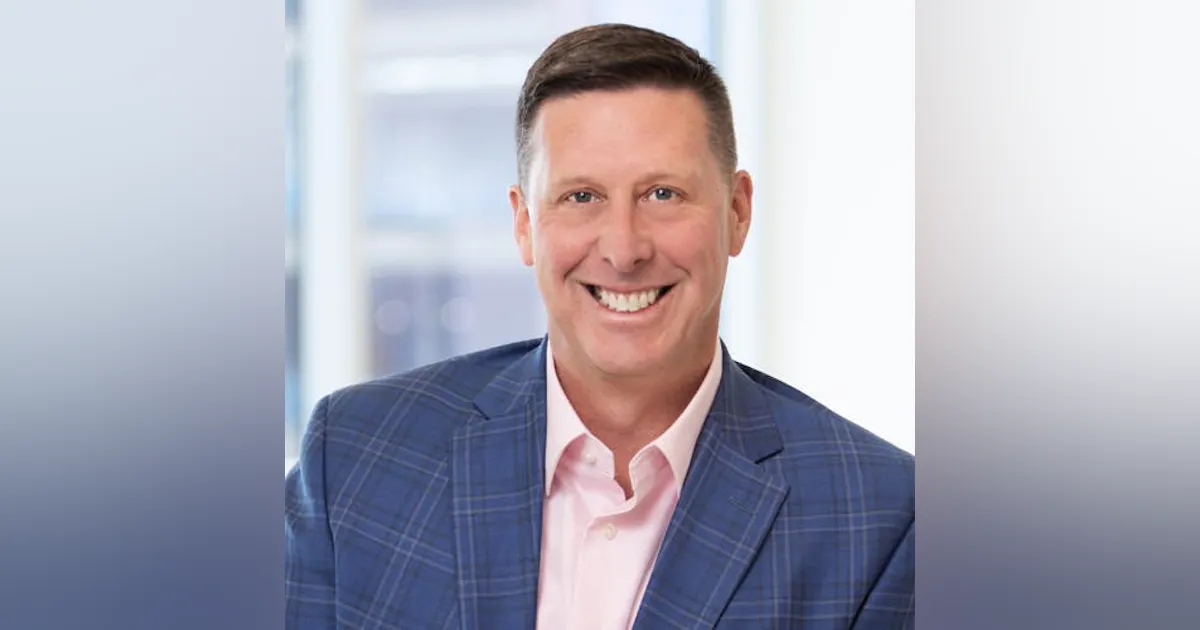
Healthcare Innovation spoke with WellSky’s CCO and nurse by background, Tim Ashe, about the caregiving crisis.
Could you provide a general sense of the current caregiving landscape and the challenges you see?
The current landscape across healthcare is challenged from a capacity standpoint. It’s a concerning paradigm as we think about the expansion of individuals who need care. We’re in a near-critical caregiving emergency in this country that’s rapidly expanding.
Do you foresee long-term consequences from the crackdown on immigrant workers who work in caregiving?
I think that workforce shortages in healthcare, broadly and specifically in the post-acute space, are complex. They’re really driven by a number of factors, including the demand increase. The enforcement policies around immigration may add to some of those challenges in some areas, but I think the priority for most providers is to think broadly about how to make sure that they are hiring and retaining a dedicated workforce.
Could you speak about what’s called the ‘silver tsunami’?
The baby boomers are leading the charge of folks over 65, who are really the epicenter of the individuals that make up the population, who need the care that we’re talking about. Over the next 25 to 30 years, that continues to increase. While we have a really critical situation on our hands…the increased demand over the next couple of decades is going to put more and more pressure on the system. Yesterday was the time to really start to think about solutions.
Could you elaborate on the increasing demands?
Up to 99 percent of facilities have vacancies that they’re trying to recruit and fill. You’ve got an existing workforce shortage on the paid side, and burnout and stress on all of the workforce, both paid and family-based caregivers.
How are we enabling the family caregivers to be effective in providing the right level of support, safety, and care to their loved ones? The value of that of that unpaid group is huge. It’s a big segment, and it’s worth equates to large dollar amounts. How do we elevate the knowledge and the effectiveness of those caregivers so that patients and individuals’ families are getting the right level of care when those family caregivers are engaged?
How could this knowledge be spread more?
I think innovation in the form of technology is part of it; software and solutions that enable decision support, so that the right clinical intervention or the right decision can be made every single time in a standardized and scalable way. WellSky put a lot of emphasis into creating intelligent technology that allows and provides the caregiver with the right treatment decisions, helps to coordinate care, and helps to link members of the care community together. We’ve used predictive analytics to help forecast and better understand the needs of populations of patients, and that will continue to be the case. Now we’re starting to layer in AI solutions that can help automate and accelerate decisions. Education delivered remotely through some of those innovative communication tools can be highly, highly effective. Some of (the education) happens through advocacy, combining state and federal programs and making sure that we have, you know…the direction to create programs that support the health and wellness of our communities.
Oftentimes, the physicians, the nurses, the physical therapists, or occupational therapists, have a license, a more formal defined role. And they often are receiving continuous education, making sure that their practice is always advancing to the top of their license. I think the same needs to be true for the for the family caregiver that takes on this responsibility but has historically limited access to that information. Why not open that system up to the entire fabric of caregiving in the United States?
What are your ideas on addressing the staffing shortage?
We saw during the pandemic a significant number of exits from the workforce. We know that we need to change the operating models for most of our healthcare settings, because it’s currently just leading to too much administrative burden, too much stress, burnout, and a lack of balance. Technology, innovation, clinical support, decision-making tools, and AI take away some of the transactional things that nurses, therapists, and physicians are forced to do. That starts to free those individuals to focus on the patient and making sure that the interactions that they’re having with, whether it’s an individual patient or a population of patients, can be enhanced to its fullest extent. How do we remove some of the things that don’t require the license and allow those practitioners to operate at the top of their skill set?
What other things can organizations do to prepare for the aging population?
Investing today in some of those advanced technologies is important, getting back to the basics, and making sure that they’re spending time on professional development. Oftentimes, what we see is that the organization is struggling to meet the demand of patient care, so the first thing they let go of is education, training, or professional development. While that may make sense in the immediate term, in the longer term, those things are what support professional caregivers, their development, their growth, their confidence, and ultimately, their competency to do a great job. The basics are critical.
How are we thinking differently about how care is being planned and coordinated? We have the ability to connect the acute care world to the post-acute world through our connected network system. The further upstream we can develop a meaningful care plan that has the right interventions and the right service intensity, the better off we are in terms of not only misutilizing services, but ultimately driving the best possible outcome for those individuals. We have to be striving to find new, more efficient, and effective ways to prepare, plan, and deliver care through technology. But ultimately, I think we would all agree there’s a huge human part of this; the human-to-human interaction, we can’t lose sight of. We have to figure out how to maximize that engagement.
What do you foresee will happen in the coming years?
A continued rise in demand. There’s a lot of work underway. I think there will be a major disruption. I think AI will provide a meaningful step forward in terms of our ability to provide more care in a more meaningful way, at a higher quality, and with higher engagement over the next couple of years. And I think it can’t stop there. We have to continue to push the envelope. How do we learn how to provide the best possible care and the most efficient delivery mechanism? Again, the undertone here is what we started with, which is the family caregiver network. We have to make sure that we don’t leave them behind. How are we also enabling and supporting the family informal caregiver network across this country that’s already stressed, and that will become increasingly important.
link
More Stories
Myanmar: Junta Assault on Health Care Hinders Quake Response
Crisis and Emergency Response | United Nations
Mission, B.C., residents demand urgent action amid persistent ER closures